Does Adenoid Shrink on Its Own? Is Surgery Always Necessary?
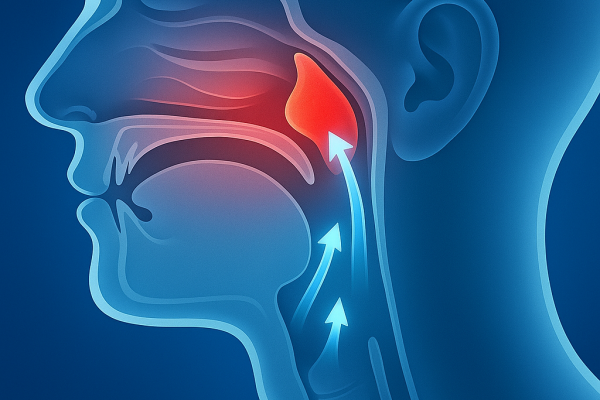
The adenoid is a lymphoid tissue located behind the nose and plays an active role in the immune system, especially during childhood. It is normal for the adenoid to grow during early childhood; however, in some children, it may become enlarged enough to affect breathing, sleep and even speech.
This leads parents to commonly ask: “Does the adenoid shrink on its own?” and “Is surgery always required?”
⭐ Can the Adenoid Shrink Naturally?
Yes. The adenoid usually begins to shrink around ages 7–8 and continues to regress during adolescence.
But this process varies from child to child.
✔ When Natural Shrinkage Is Possible
-
No frequent infections
-
Mild breathing difficulties
-
No snoring or sleep apnea
-
No chronic mouth breathing
-
No fluid accumulation in the middle ear
-
Mild nasal obstruction
In such cases, surgery may not be necessary, and the child can be monitored.
❗ When the Adenoid Does Not Shrink or Causes Problems
In some children, enlarged adenoid can lead to:
-
Persistent nasal obstruction
-
Frequent upper respiratory infections
-
Snoring
-
Sleep apnea
-
Chronic mouth breathing
-
Middle ear fluid and hearing loss
-
Daytime fatigue, attention problems
-
Facial growth changes (adenoid facies)
These symptoms reduce the chance of spontaneous shrinkage.
⭐ Is Surgery Always Necessary?
No. Adenoidectomy (adenoid removal) is recommended only in specific situations.
👨⚕️ Surgery Is Considered When:
-
Sleep apnea (breathing pauses at night)
-
Severe snoring
-
Middle ear fluid causing hearing loss
-
Recurrent ear infections
-
Breathing difficulty affecting growth
-
Mouth-breathing–related speech problems
-
Noticeable facial development changes
In these cases, surgery is often a safe and effective long-term solution.
⭐ Is the Surgery Safe?
Adenoidectomy is one of the safest and most common pediatric surgeries.
It is quick, and recovery is usually completed in a few days.
⭐ Can Medical Treatment Be Enough?
Medical options such as:
-
Saline sprays
-
Allergy medication
-
Infection control
-
Short-term nasal steroids
may reduce symptoms but do not permanently shrink the adenoid.
🎯 Conclusion
Adenoid enlargement does not always require surgery.
In many children, it shrinks naturally over time.
However, when symptoms such as sleep apnea, hearing loss, or severe obstruction are present, surgery becomes the most effective option.
A proper evaluation by an ENT specialist is essential.